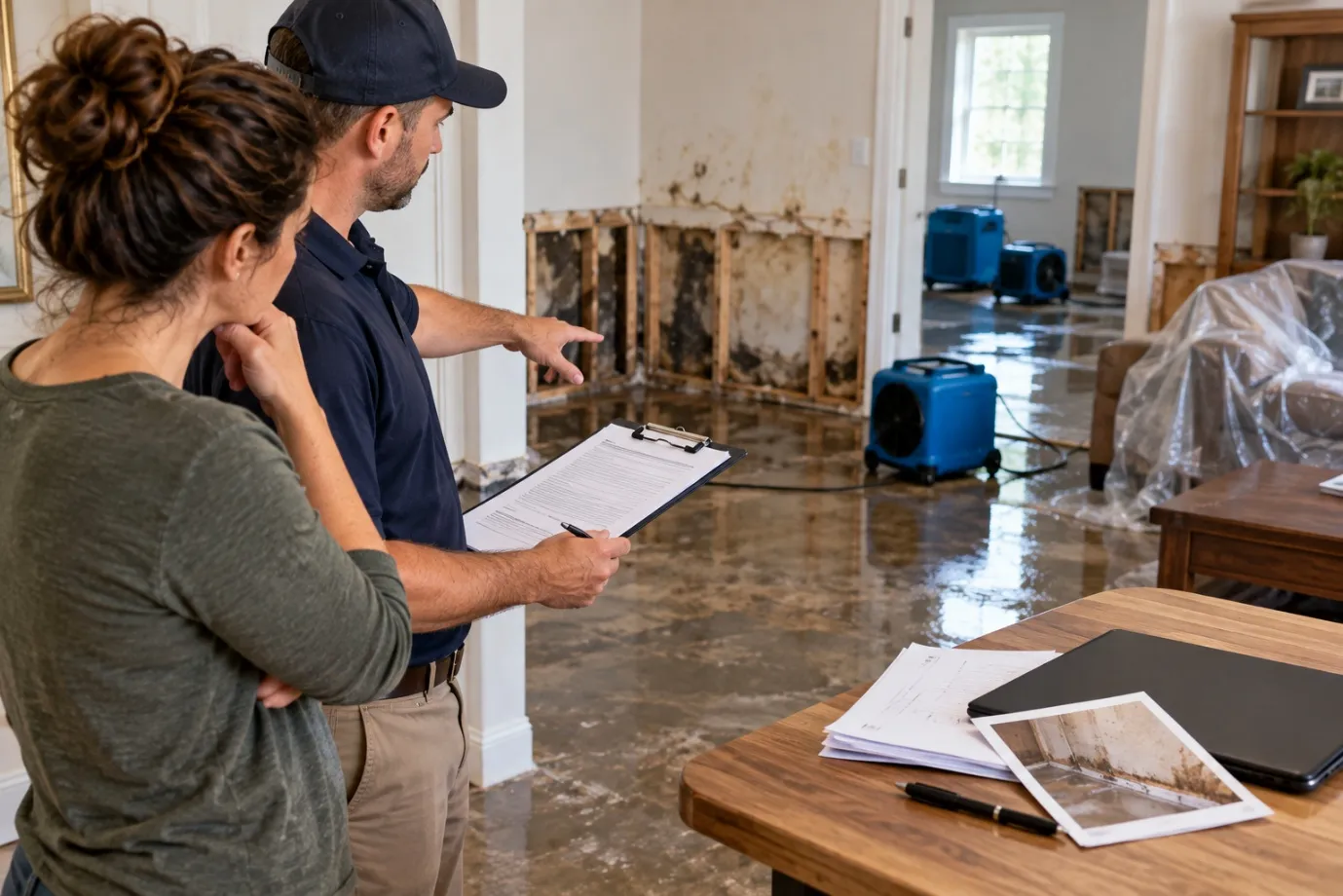
Fixing the damage is half the battle. Getting paid fairly is the other half, and plenty of homeowners lose money through simple paperwork mistakes. If you’re sorting through water damage restoration Pikesville MD homeowners need after a loss, a little organization makes the whole process less painful. Here’s what claim adjusters typically want to see.
Read the Policy Before You Need It
Policies are dull reading, but they decide everything. Look for the difference between sudden, accidental damage, which is often covered, and long-term seepage, which often isn’t. Check your deductible, too. Knowing these terms up front prevents unpleasant surprises when the adjuster finally arrives. That one section can decide a whole claim.
Note any limits on specific items, like jewelry, electronics or finished basements. Ask your agent about endorsements for sewer backup or sump failure. Write the claims phone number on a card and keep it with your important papers. When water’s on the floor, you won’t want to search for it. Ask about replacement cost versus actual cash value, too. Review the exclusions section line by line.
Photograph Like an Investigator
Before anything gets moved, take wide shots of each room, then close-ups of damage. Capture the source, such as the burst pipe, the failed hose or the leaking roof. Photos of wet carpet, stained ceilings and ruined furniture all matter. Timestamps help. So does a short narration on video. Don’t forget the attic and crawl space.
Homeowners from Pikesville to Parkville learn this the hard way. Without images, the story rests on memory. A claim for water damage restoration Parkville MD residents file moves faster when adjusters can see conditions as they were, not as described weeks later. Pictures end arguments before they start.
Keep the Receipts and the Paper Trail
Save every receipt: emergency repairs, hotel stays, food, even supplies bought for cleanup. Many policies cover additional living expenses if your home is unlivable. Keep a notebook of calls, with dates, names and what was said. Organized records make you look credible, because you are. Small purchases add up faster than people expect. Even parking fees count.
Ask the restoration crew for a written scope, moisture logs and photos. These documents show what was found, what was done and why. Adjusters read them closely. A detailed report from the people who did the work is some of the strongest evidence you’ll have, and it costs you nothing extra to request.
Don’t Throw It Out Too Soon
It’s tempting to haul ruined items to the curb, but wait. Adjusters may want to see damaged carpet, appliances or furniture. Take photos, make an inventory and ask whether they need to inspect before disposal. If you must discard something for health reasons, document it first. Patience here protects your payout.
Create a simple inventory with each item’s age, price and condition. Include model numbers where possible, and attach photos. Don’t guess wildly. Reasonable estimates backed by receipts or online listings carry weight. A detailed list built early beats a panicked one assembled weeks later, when details have faded. Even a rough list is better than none.
Handling the Adjuster Conversation
Be polite, organized and honest. Walk through the damage together and point out each affected area. Answer questions plainly without guessing, or exaggerating. If you don’t know something, say so. Credibility counts, and a calm, factual approach usually goes further than an argument ever will. Never argue while angry or rushed.
If the offer seems low, you can ask for an explanation in writing and submit further documentation. Some homeowners hire a public adjuster for complicated losses. You’re allowed to disagree. Just do it politely, with evidence, and keep every message in writing so nothing gets lost along the way. Stay patient; most disputes are settled with paper.
Conclusion: Paperwork Is Part of the Repair
A claim is built from small, boring details: photos, receipts, notes and reports. Gather them early, and you’ll face fewer delays and arguments. The repairs get you back to normal, but good records make sure the money to pay for them follows without a long fight. It isn’t glamorous work, but it pays.
To start the repair side while you handle the paperwork, visit movefastrestoration.com and request help. Getting the drying underway quickly protects your home and strengthens your claim at the same time. Do the two jobs together, and neither one will fall behind. Keep your claim number handy when you call.