
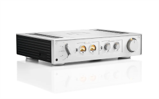
Building a high-quality stereo system often raises an important question: should we choose one amplifier or combine separate preamplification and power amplification components? Both arrangements can reproduce music exceptionally well, but their practical advantages differ. Modern integrated amplifiers bring essential amplification functions together inside a single enclosure, potentially simplifying the signal path, installation, and equipment matching. For homeowners seeking refined stereo performance without unnecessary complexity, understanding this architecture can reveal why a thoughtfully engineered integrated design deserves serious consideration alongside traditional separates.
Understanding Integrated Amplifier Signal Architecture
An integrated amplifier combines a preamplifier section and power amplifier within one chassis. The preamplifier manages source selection and volume, while the output stage supplies the electrical power required by connected loudspeakers. Separate systems perform these functions using individual components connected through external cables. Both approaches can achieve excellent performance when properly designed. Integration provides manufacturers with greater control over internal connections and electrical matching between sections. However, successful results depend on circuit engineering, power supply design, and noise management rather than enclosure configuration alone.
Reducing Complexity Without Sacrificing Performance
Traditional separates require additional interconnect cables, equipment space, and individual component connections. An integrated configuration eliminates some of these requirements, making installation easier to organize and maintain. Shorter internal signal connections may reduce certain opportunities for interference, although well-designed separates can achieve equally quiet operation. A premium stereo integrated amplifier can also deliver substantial output power without multiple external chassis. We should evaluate actual noise, distortion, and listening performance instead of assuming that fewer components automatically guarantee improved sound quality in every installation.
Exploring Advanced Power Supply Engineering
Amplifier performance depends partly on how consistently its power supply supports demanding musical passages. Well-engineered integrated models can incorporate substantial transformers, carefully designed regulation, and sufficient energy reserves to maintain stable output. McIntosh’s MA12000 illustrates the premium end of this category, combining substantial amplification capability with sophisticated preamplifier engineering. However, integrating components also requires effective thermal management and electrical isolation. We should examine continuous output specifications, distortion measurements, and speaker compatibility before concluding that one amplifier architecture will provide better control or musical dynamics.
Maintaining Convenient Source Connectivity Options
Modern stereo listening often involves several sources, including turntables, network streamers, television audio outputs, and traditional disc players. Integrated models can simplify connectivity by incorporating multiple inputs and selected processing features within one enclosure. The Anthem STR Integrated Amplifier, for example, provides phono connectivity and sophisticated audio adjustment capabilities. Other designs prioritize different combinations of analog and digital functionality. We should verify individual specifications rather than assume every model includes the same connections. Appropriate source compatibility can eliminate additional equipment while preserving flexibility for changing listening habits.
Matching Amplification With Loudspeaker Requirements
No amplifier delivers its intended performance independently of the speakers it drives. Loudspeaker impedance, sensitivity, and listening distance affect the amount of power required to reproduce music accurately. Some speakers present challenging electrical loads, making stable current delivery particularly important. Integrated designs can accommodate demanding applications when their output stages are appropriately engineered. However, separate power amplifiers may offer advantages when substantial additional power or specialized configurations are necessary. We should compare manufacturer recommendations with realistic listening conditions, ensuring equipment compatibility takes priority over brand prestige.
Considering Practical Space And Ownership Costs
Equipment placement influences the everyday convenience of a home audio system. A single integrated chassis generally requires fewer shelves, power connections, and external cables than a comparable separates arrangement. This can make it attractive for living rooms where sophisticated entertainment equipment must coexist with interior furnishings. Nevertheless, integrated products vary considerably in weight, dimensions, and ventilation requirements. Premium models may also cost more than entry-level separates. We should compare complete system expenses, including supporting accessories, maintenance, and potential upgrades, rather than relying on component counts alone.
Recognizing When Separates Remain Preferable
Separate preamplifiers and power amplifiers still offer meaningful advantages for certain listening environments. Their modular architecture allows individual components to be replaced or upgraded without necessarily changing the entire amplification system. Dedicated power amplifiers can also accommodate specialized speaker requirements or demanding output configurations. Integrated equipment may provide a more convenient alternative when these capabilities are unnecessary. We should avoid treating either architecture as universally superior. Listening demonstrations using comparable speakers, sources, and volume levels can reveal meaningful differences while preventing purchasing decisions based entirely on assumptions.
Conclusion
Exceptional stereo reproduction depends on the quality of component design and the relationship between amplification, speakers, and listening conditions. Combining essential functions within one enclosure can offer convenient operation, efficient system organization, and impressive performance without making traditional separates obsolete. With its selection of McIntosh, Anthem, and HiFi Rose equipment, epicsystems.tech provides several options for evaluating premium stereo amplification. Comparing suitable models through a controlled listening demonstration can help homeowners identify the arrangement that best supports their musical preferences, available space, and long-term ownership expectations.
Frequently Asked Questions
Q1. Does an integrated amplifier include a power amplifier?
Yes. It combines preamplifier functions and power amplification within one chassis.
Q2. Is an integrated amplifier guaranteed to sound better than separates?
No. Sound quality depends on the engineering of the components and how well they match the loudspeakers.
Q3. Can an integrated model connect to a turntable?
Some include a phono input; others require a separate phono preamplifier. Check the individual model.
Q4. Can we add a subwoofer to an integrated amplifier?
Often yes, but available line-level outputs and crossover options differ between products.
Q5. When are separate amplifiers preferable?
They can be useful for specialized power requirements, modular upgrades or more demanding system configurations.