
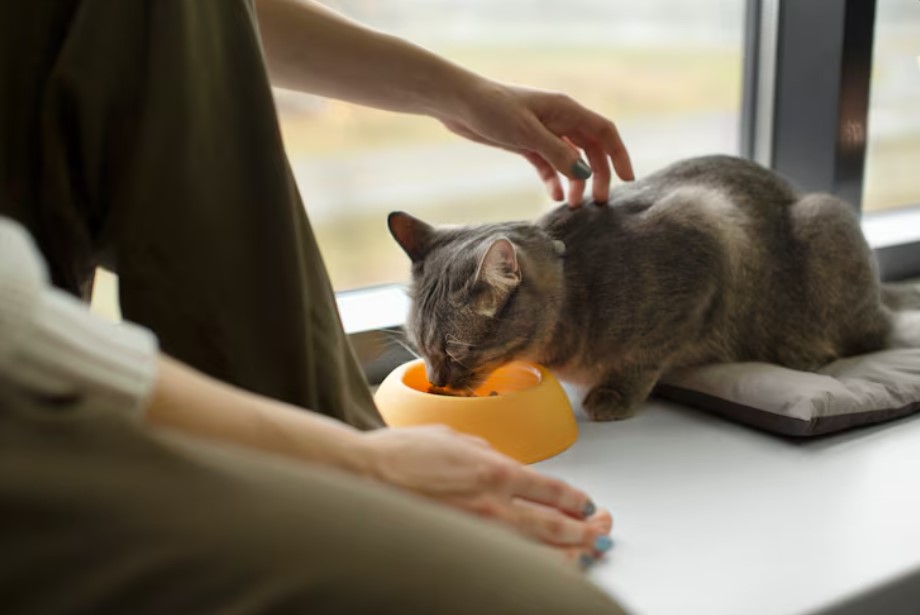
Cats are beloved members of millions of households across the United States. For many pet parents, especially those with indoor cats, one of the biggest concerns is health, longevity, and happiness. A common question many cat owners ask is how long do indoor cats live, and the answer often depends on several factors—diet being one of the most important.
While toys, enrichment, and veterinary care play essential roles, cat food remains the foundation of a cat’s health. Choosing the right diet and ensuring consistent nutrition can make a major difference in your cat’s quality of life.
In this guide, we’ll explore how proper nutrition affects indoor cats, how to choose the best cat food online, and why feeding habits directly impact a cat’s lifespan.
Understanding Indoor Cat Lifespan: How Long Do Indoor Cats Live?
Many pet parents wonder how long do indoor cats live compared to outdoor cats. The good news is that indoor cats generally live much longer.
On average:
| Cat Types | Average Lifespan |
|---|---|
| Indoor Cats | 12 – 18 years |
| Outdoor Cats | 5 – 10 years |
| Indoor Cats with Premium Care | 18 – 20+ years |
Indoor cats avoid many dangers such as traffic, predators, and infectious diseases. However, their health still heavily depends on diet, exercise, and mental stimulation.
One of the most impactful factors is feeding them the right cat food tailored to their age, lifestyle, and health needs.
Why Nutrition Plays a Huge Role in Cat Longevity
Cats are obligate carnivores, meaning their bodies require nutrients primarily derived from animal protein. Feeding low-quality diets can result in:
- Obesity
- Digestive problems
- Poor coat condition
- Diabetes
- Kidney disease
High-quality cat food contains essential nutrients such as:
- Taurine
- Omega fatty acids
- High animal protein
- Vitamins and minerals
- Moisture (especially in wet food)
When cats receive balanced nutrition throughout their lives, they are more likely to maintain a healthy weight and stronger immune system.
Choosing the Right Cat Food for Indoor Cats
Indoor cats have different dietary needs compared to outdoor cats. Because they burn fewer calories, they are more prone to weight gain.
Here are key things to look for when selecting cat food.
1. High Protein Content
Protein supports muscle health and energy levels.
Look for foods where real meat is the first ingredient.
Examples include:
- Chicken
- Salmon
- Turkey
- Tuna
2. Balanced Calories
Indoor formulas often contain slightly fewer calories to prevent obesity.
3. Hairball Control Ingredients
Indoor cats groom themselves frequently. Good cat food may include fiber sources like:
- Pumpkin
- Beet pulp
- Psyllium husk
These ingredients help reduce hairballs.
4. Essential Fatty Acids
Omega-3 and Omega-6 support skin health and a shiny coat.
Benefits of Buying Cat Food Online
Today, many pet parents prefer purchasing cat food online because it offers convenience and better product choices.
Here are some major benefits.
Wider Selection
Online pet stores offer a much larger variety than physical stores, including:
- Grain-free diets
- Limited ingredient foods
- Veterinary diets
- Premium brands
Easy Price Comparison
Buying cat food online allows pet parents to compare prices across different brands quickly.
Convenient Delivery
Many online retailers offer:
- Same-day shipping
- Auto-delivery subscriptions
- Bulk purchase discounts
This ensures your cat never runs out of food.
Access to Reviews
Customer reviews help you evaluate product quality and suitability before buying.
Signs Your Cat Is Eating the Right Food
How can you tell if the cat food you’re feeding is working well?
Watch for these positive signs:
- Healthy body weight
- Shiny coat
- Clear eyes
- Strong energy levels
- Regular digestion
If your cat shows lethargy, dull fur, or digestive issues, it might be time to reconsider their diet.
Feeding Tips for Indoor Cats
Indoor cats benefit from structured feeding routines.
Stick to Regular Feeding Times
Consistent feeding schedules help regulate metabolism.
Avoid Overfeeding
Portion control is essential because indoor cats are less active.
Provide Fresh Water
Hydration is critical for kidney health.
Mix Wet and Dry Food
Combining wet and dry cat food can provide balanced nutrition while maintaining hydration.
Common Feeding Mistakes Cat Owners Make
Even caring pet parents sometimes make feeding mistakes that affect feline health.
Feeding Only Dry Food
Dry food alone may not provide enough moisture.
Overfeeding Treats
Too many treats can lead to obesity.
Ignoring Age-Specific Diets
Kittens, adults, and senior cats have different nutritional needs.
Sudden Food Changes
Abrupt changes in cat food can cause digestive upset. Always transition gradually over 7–10 days.
The Link Between Diet and Indoor Cat Longevity
Nutrition influences several health areas that directly impact lifespan.
Weight Management
Obesity is one of the most common health problems in indoor cats.
Immune System Support
Proper cat food provides antioxidants and nutrients that help fight disease.
Kidney Health
Cats are prone to kidney disease, especially as they age. Balanced hydration and nutrition reduce risk.
Digestive Health
Good diets include probiotics and fiber to support gut health.
When cats receive consistent, balanced nutrition, their chances of living longer and healthier lives increase significantly.
Mental Stimulation Also Matters
Although diet is crucial, indoor cats also require mental enrichment to stay healthy.
Activities that support wellness include:
- Interactive toys
- Puzzle feeders
- Climbing trees
- Window perches
These activities prevent boredom and encourage natural behaviors like hunting and exploration.
Upcoming Trends in Cat Nutrition in the USA
The pet food industry continues evolving, and new trends are shaping how pet parents choose cat food.
Freeze-Dried Raw Diets
Many brands now offer freeze-dried raw formulas that preserve natural nutrients.
High-Protein Grain-Free Diets
These diets mimic a cat’s natural carnivorous diet.
Functional Cat Foods
Some products now include ingredients that support specific health concerns like:
- Hairball control
- Urinary health
- Joint support
Personalized Nutrition
AI-driven nutrition tools are helping pet parents choose the ideal cat food online based on their pet’s age, breed, and health profile.
How Pet Parents Can Improve Their Cat’s Life Today
If you’re wondering how long indoor cats live, the best approach is proactive care.
Start by focusing on:
- Balanced nutrition
- Regular veterinary visits
- Mental stimulation
- Weight management
- Consistent feeding routines
Choosing high-quality cat food and buying reliable products through trusted stores offering cat food online ensures your feline companion receives the best possible care.
With proper attention to diet and lifestyle, many indoor cats can enjoy long, healthy lives well into their late teens.
FAQs
1. How long do indoor cats live on average?
Indoor cats typically live between 12 and 18 years, although some cats can live over 20 years with proper care, high-quality cat food, and regular veterinary visits.
2. Is buying cat food online safe?
Yes. Purchasing cat food online from reputable pet supply stores is safe and often provides access to better brands, product reviews, and convenient delivery options.
3. What type of cat food is best for indoor cats?
The best cat food for indoor cats is high in protein, balanced in calories, and may include fiber for hairball control. Many brands offer formulas specifically designed for indoor lifestyles.
4. Should indoor cats eat wet food or dry food?
Both types can be beneficial. Wet food helps with hydration, while dry cat food supports dental health. Many vets recommend a mix of both.
5. Can diet really affect how long indoor cats live?
Absolutely. A balanced diet, proper portion control, and high-quality cat food significantly influence a cat’s weight, immune system, and overall health—factors that directly impact lifespan.