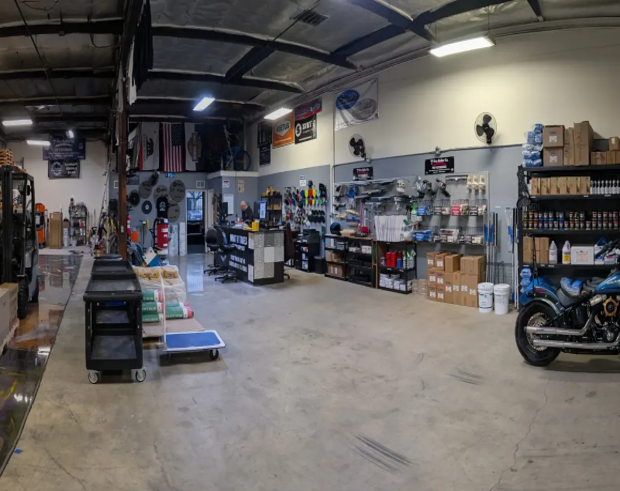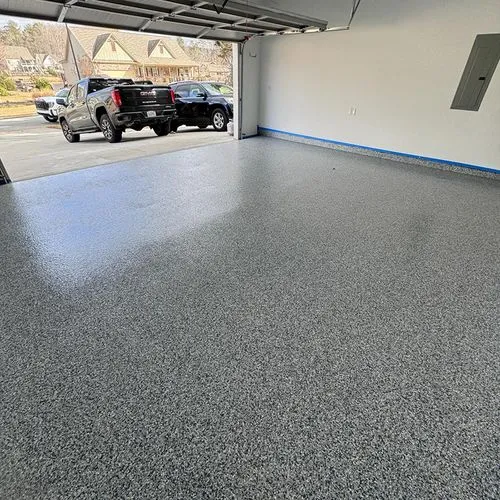
Businesses comparing commercial flooring Cincinnati options often assume that an older slab must be covered with a completely new surface. In many renovations, however, the existing concrete may be worth restoring if it is structurally sound and the finished look suits the space.
That approach can be especially useful in retail units, showrooms, offices, warehouses, and adaptive-reuse projects where owners want a durable floor without hiding every trace of the building’s history.
Start With the Condition of the Slab
The first step is to inspect what remains after old carpet, tile, vinyl, or coatings are removed. Adhesive residue, cracks, stains, patches, anchor holes, and uneven areas can all influence whether the slab is a good candidate for an exposed finish.
For properties considering polished concrete cincinnati, these existing details matter because polishing refines the concrete rather than covering it with an opaque layer. Aggregate, previous repairs, and tonal variation can remain visible as part of the final appearance.
Decide Whether Character Is an Asset
Some commercial interiors benefit from natural variation. A warehouse conversion, industrial-style office, café, or showroom can look more authentic when the floor retains subtle differences in color and aggregate.
Other businesses need a uniform brand-driven finish across several rooms. In those cases, an epoxy or another coating system may provide greater control over color and consistency than polishing the original slab.
Understand What the Polishing Process Changes
Polishing uses progressively finer diamond tooling to grind and refine the concrete. The process can produce anything from a lower-sheen practical finish to a more reflective surface, depending on the level of refinement selected.
The amount of aggregate exposed can also vary. A light grind preserves more of the original surface, while deeper grinding can reveal larger stone and create a more pronounced architectural look.
Plan Repairs Before Choosing the Final Sheen
Cracks, pits, and damaged sections should be repaired before polishing is completed. Repairs can improve the function of the slab, but they may remain visible after the floor is refined.
That visibility should be treated as a design consideration rather than a surprise. A sample area can help owners understand how repairs, aggregate, and colour variation will look before the entire floor is completed.
Think About Traffic and Maintenance
Commercial floors may face carts, shelving, office chairs, customer traffic, or light machinery. The chosen finish should match the workload and the maintenance routine available on site.
Polished concrete can be straightforward to maintain with regular dust removal and appropriate cleaning. Businesses should still plan for grit, spills, entrance moisture, and any chemicals that may reach the floor during normal operations.
Use Lighting to Judge the Finish
Natural daylight, LED fixtures, track lighting, and warehouse lights can all change how polished concrete appears. Higher-sheen finishes reflect more light and may make a space feel brighter.
That reflectivity can also make dust, scratches, or uneven areas more noticeable. Viewing a test section under the building’s actual lighting is more useful than choosing sheen from photographs or a small sample alone.
Compare Polishing With Grind-and-Seal
Polishing is not the only way to keep concrete visible. Grind-and-seal systems mechanically prepare the slab and then apply a protective sealer, creating a different balance of appearance, maintenance, and cost.
This option can work well when the owner wants the natural look of concrete but does not need the same level of mechanical refinement. The right choice depends on traffic, desired sheen, budget, and how much slab variation the design can tolerate.
Plan the Renovation Sequence Carefully
Floor work is easier when the space is empty. Grinding, repairs, polishing, or sealing should be coordinated before permanent furniture, counters, partitions, or equipment are installed.
The schedule should also allow time for surface preparation and any required curing before normal traffic returns. Completing the floor at the right stage can reduce damage from other construction work and make edge detailing easier.
Conclusion
Reusing an existing concrete slab can be a practical choice in a commercial renovation, but only when the floor is suitable for the finish, and the owner is comfortable with natural variation. Slab condition, repairs, traffic, lighting, maintenance, and project sequencing all influence the result.
By assessing the concrete before deciding to cover it, businesses can compare polishing, sealing, and coating options more realistically. The strongest choice is the one that works with the building, supports daily operations, and creates an appearance that still makes sense as the space evolves.