
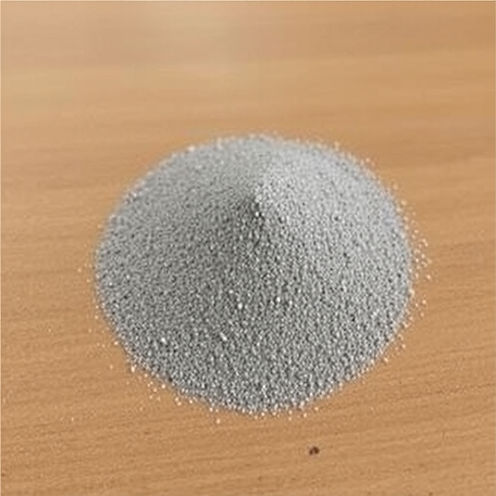
With the efforts of industries to achieve better production efficiency and the utilization of better materials, manufacturing methods continue to change. Each type of metal powder technology and traditional solid metal components have their own advantages and disadvantages. One approach may be used to minimize waste, while the other may be used to increase production rates using the same approaches that are used in the industry for manufacturing the product. The choice between the two depends on the demands of the design, production needs and operating needs. There are many metal powder suppliers USA available, and many manufacturers prefer to partake in consultation with the supplier before choosing the proper process to perform for their engineering projects.
Compare Production Methods
Typically, bars, plates or blocks of solid metal are converted into finished products during solid metal manufacturing. In the manufacture of metal powder, the pressing, sintering and additive manufacturing methods are used to make parts with shapes that are closer to the finished shapes. Each of these methods affects the time spent in production, the number of materials used and the design flexibility. Knowing what each manufacturing process entails allows businesses to understand the possible real-world benefits that each process provides rather than simply paying attention to the trends in the manufacturing industry.
Measure Material Waste
Many organizations will be surprised by how much material waste will impact manufacturing costs. In traditional machining, lots of metal is cut down until the required component size is achieved. Normally, the manufacturing using powder will create less material waste, since the process is initiated near the desired shape. This is one of the key factor’s companies look at when choosing a manufacturing method for precision parts with close tolerances and low material waste during production that use Specialty metal powders.
Examine Design Flexibility
The manufacturing process may be determined by the design of the component, long before production. With powder metallurgy and additive manufacturing, it is possible to obtain complex internal shapes that are not possible with conventional machining processes. Solid metal fabrications continue to excel in very simple designs where a high level of integrity is needed. Typically, engineers compare the production drawing to the manufacturing capabilities before they choose a manufacturing process. The matching of the design requirements and the production methods is helpful to industrial production and operation.
Evaluate Production Speed
There are various factors other than the manufacturing process that influence manufacturing speed. There may be times a large volume of production would suggest one method, and for custom components, with low volumes, it may be different. Overall manufacturing schedules are affected by tooling requirements, machining operations, inspection steps and finishing steps. Typically, buyers who work with a Metal powder supplier USA check the anticipated production volume, as efficiency varies for different production runs, depending on the number of parts needed each time.
Review Mechanical Performance
Components should always have mechanical properties that are suitable for the applications for which they are used. Solid metal components can also offer very good structure functionality, as they start with fully dense material. Similarly, components made from powder have excellent mechanical properties if they are produced by appropriate processing techniques and quality control measures. Evaluating the strength, wear resistance and durability of a material in relation to its production efficiency can provide a better balance of the pros and cons of each manufacturing option prior to purchase.
Consider Overall Costs
The cost comparison should not just be on the basis of the price of raw materials. Various factors, including tooling costs, machine time, reduction of waste, labor resources and production efficiency, impact the overall investment for projects. For more complex designs, the metal powder manufacturing process can actually end up decreasing the cost of the design; for simpler designs, the conventional machining process can be more economical. The advantage of buying Specialty metal powders from a company will be that many companies will consider the entire manufacturing cost if you are looking to buy the metal powders instead of just the cost of the material itself.
Match Industrial Needs
Each manufacturing project has its own technical needs, which have an impact on the choice of manufacturing process. Each product design in the aerospace, automotive, medical and industrial equipment industries may require different performance characteristics of the equipment. Good planning can enable an engineer to select the right manufacturing process to suit application requirements rather than trying to use the same process for all applications. In practical evaluation, more often than not, the best results will occur if the production technique is chosen according to its actual performance.
Conclusion
The decision between making metal powder versus solid metal components isn’t made solely on the basis of the benefits, but is based on manufacturing goals, mechanical performance, material efficiency, design complexity and production volume. Regmetals.com is designed to assist industrial buyers in finding material solutions, including Specialty metal powders and to guide manufacturers to find the appropriate materials for today’s engineering applications. Comparing and contrasting the project requirements will help to ensure efficient manufacturing, minimizing unnecessary manufacturing costs and consistent project results. The intelligent comparison is the starting point for intelligent manufacturing decisions.

