
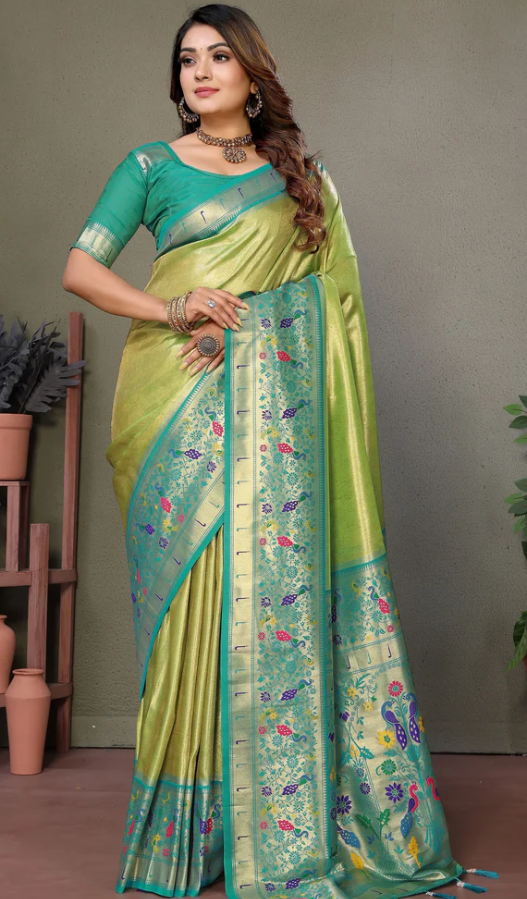
Colors hold deep cultural meaning in Indian fashion. Every shade used in traditional clothing often represents emotions, traditions, and symbolic significance. Two colors that have remained timeless in ethnic wear are maroon and green. While each color has its own cultural identity, the influence of the maroon saree and the green saree in Indian fashion demonstrates how color combinations can create striking and meaningful styles.
Indian designers frequently explore these color palettes because they balance richness with freshness. Understanding the cultural and stylistic impact of these two shades can help fashion enthusiasts appreciate why they remain popular across generations.
The Symbolism of Maroon in Traditional Attire
Maroon has long been associated with elegance, prosperity, and celebration in Indian culture. This deep shade of red carries a sense of richness that makes it ideal for festive occasions.
A maroon saree is often chosen for weddings, religious ceremonies, and formal gatherings. The depth of the color enhances the luxurious feel of the fabric, especially when paired with intricate embroidery or zari work.
Historically, maroon tones were commonly worn by brides and women attending significant cultural events. The shade conveys sophistication and tradition simultaneously.
The Refreshing Elegance of Green Sarees
While maroon symbolizes richness, green represents growth, harmony, and prosperity. A green saree often reflects natural beauty and calm elegance.
Green is a color deeply rooted in Indian symbolism. It is often associated with fertility, renewal, and positivity.
Because of these meanings, green sarees are frequently worn during festivals, cultural celebrations, and traditional gatherings.
The Balance Between Warm and Cool Tones
One of the reasons maroon and green work well together is the balance they create between warm and cool tones.
Maroon offers depth and warmth, while green introduces freshness and vibrancy. Designers often combine these shades in borders, embroidery, or blouse designs to create visually balanced outfits.
For example, a maroon saree with green embroidery can create a striking contrast that enhances the richness of both colors.
Styling Maroon Sarees with Modern Elements
Modern fashion trends have introduced innovative ways to style traditional sarees. A maroon saree can be paired with contemporary blouse designs, statement jewelry, or minimalist accessories.
Some women prefer to combine maroon sarees with subtle green accents in their accessories or dupattas. This combination adds dimension to the overall outfit.
Seasonal Appeal of These Colors
Both maroon and green are versatile colors that can be worn in different seasons.
Maroon tones are often associated with autumn and winter celebrations, while green shades are commonly seen during spring and festive seasons.
The ability to adapt these colors across seasons makes them timeless choices in ethnic wardrobes.
A Reflection of Cultural Heritage
The enduring popularity of the maroon saree and the green saree highlights how color traditions continue to shape Indian fashion.
These garments not only reflect personal style but also represent cultural symbolism and heritage.
By combining these shades thoughtfully, individuals can create elegant outfits that celebrate both tradition and modern design.